
2026 ACDA-MI Fall Conference in Alma, MI
Information about Headliners and Alma College location and parking!
Conductors’ Chorus Director
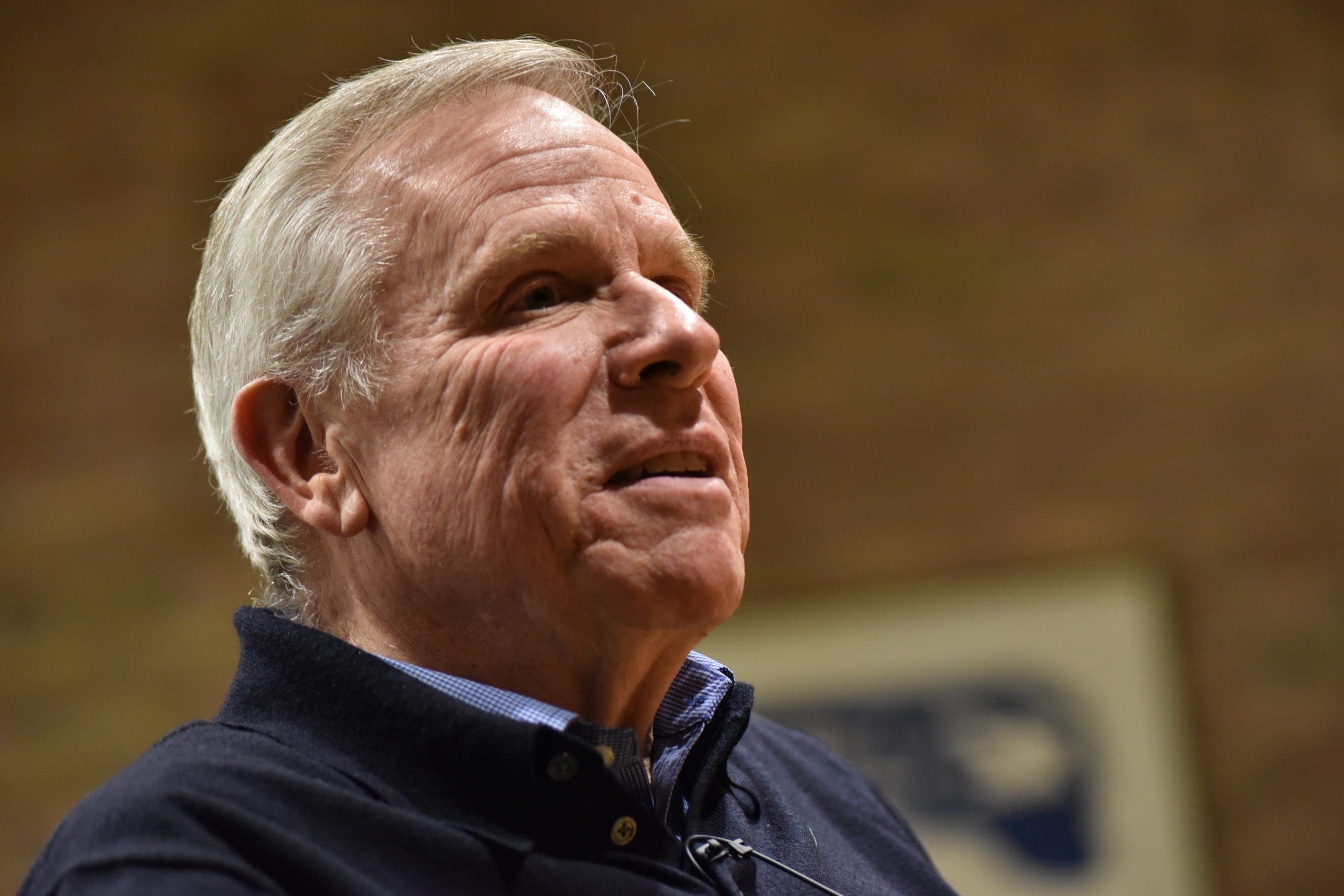
GRAMMY Award winner Jerry Blackstone is a leading conductor and highly respected conducting pedagogue. Now emeritus professor of conducting, he served on the faculty of the University of Michigan School of Music, Theatre & Dance for thirty years where as director of choirs he led the graduate program in choral conducting and oversaw the University’s eleven choirs. In February 2006, he received two GRAMMY Awards (“Best Choral Performance” and “Best Classical Album”) as chorusmaster for the critically acclaimed Naxos recording of William Bolcom’s Songs of Innocence and of Experience. The Naxos recording of Milhaud’s monumental L’Orestie d’Eschyle, on which Blackstone served as chorusmaster, was nominated for a 2015 GRAMMY Award (“Best Opera Recording”). Opera Magazine reviewer Tim Ashley wrote: “the real stars, though, are the University of Michigan’s multiple Choirs, who are faced with what must be some of the most taxing choral writing in the entire operatic repertory. Their singing has tremendous authority and beauty, while the shouts and screams of Choéphores are unnerving in the extreme. Their diction is good too: the occasions when we don’t hear the words are Milhaud’s responsibility, rather than theirs. It’s an extraordinary achievement, and utterly mesmerizing.”
The University of Michigan Chamber Choir, conducted by Blackstone, performed by special invitation at the inaugural conference in San Antonio of the National Collegiate Choral Organization (NCCO) and presented three enthusiastically received performances in New York City at the National Convention of the American Choral Directors Association (ACDA). As conductor of the University of Michigan Men’s Glee Club from 1988-2002, Professor Blackstone led the ensemble in performances at ACDA national and division conventions and on extensive concert tours throughout Australia, Eastern and Central Europe, Asia, South America, and the United States.
In 2017, NCCO presented him with its prestigious Lifetime Achievement Membership Award and, in 2006, for “significant contributions to choral music,” he received the ACDA-Michigan chapter’s Maynard Klein Lifetime Achievement Award. From 2003-2015, Dr. Blackstone served as conductor and music director of the University Musical Society (UMS) Choral Union, a large community/university chorus that frequently appears with the Detroit Symphony Orchestra (DSO) and the Ann Arbor Symphony and presents yearly performances of Handel’s Messiah and other major works for chorus and orchestra. Choirs prepared by Blackstone have appeared under the batons of Valery Gergiev, Neeme Järvi, Leonard Slatkin, Hans Graf, Michael Tilson Thomas, John Adams, Helmuth Rilling, James Conlon, Nicholas McGegan, Rafael Frühbeck de Burgos, Peter Oundjian, and Yitzak Perlman.
Professor Blackstone is considered one of the country’s leading conducting teachers, and his students have been first place award winners and finalists in both the graduate and undergraduate divisions of ACDA’s biennial National Choral Conducting competition. His 2016 rehearsal techniques DVD, Did You Hear That? (GIA Publications) deals with the conductor’s decision-making process during rehearsal. Santa Barbara Music Publishing distributes Blackstone’s acclaimed educational DVD, Working with Male Voices and also publishes the Jerry Blackstone Choral Series.
Blackstone is an active guest conductor and workshop presenter and has appeared in forty-two states as well as New Zealand, Australia, Hong Kong, Shanghai, and Sicily. In the summer, he leads the Adult Choir Camp and the Choral Conducting Institute at the Interlochen Center for the Arts.
Intercollegiate Honor Choir
Dr. Derrick Fox is the Associate Dean of Graduate Studies and Creative Endeavors and a Professor of Choral Conducting at Michigan State University. Prior to MSU, he was the Director of Choral Activities and Distinguished Professor of Music at the University of Nebraska-Omaha and Assistant Professor of Choral Music at Ithaca College. Dr. Fox has taught at the middle school, high school and collegiate levels. His conducting experiences have included singers from upper elementary choirs through collegiate and community choirs. He was awarded the 2021 Bryan R. Johnson Service Award by the Nebraska Music Educators Association and the 2022 University of Nebraska Omaha Award for Distinguished Research/Creative Activity.
Dr. Fox has conducted all state and regional choirs across the United States, led international, national and regional choral concerts/residencies and presented professional development workshops across the United States and internationally. His professional workshops focus on assessment in the choral classroom, building classroom community, rehearsal strategies, choral conducting techniques and shape note singing in the African American community. Dr. Fox has held teaching residencies at the Latvian Academy of Music and Syracuse University and led performance tours through Lithuania and Estonia. Dr. Fox conducted the 2019 National ACDA Middle School/Junior High Mixed Honor Choir and traveled to South Africa as a 2019 ACDA International Conductor Exchange Fellow where he led choral workshops and rehearsals in Johannesburg, Pretoria and Potchefstroom.
As a baritone soloist, Dr. Fox has collaborated with various organizations; among them are the Arkansas Symphony, Lansing Symphony, St. Louis Symphony, Columbia Chorale, the University of Nebraska at Omaha, Omaha Symphonic Chorus, University of Missouri, Michigan State University, Webster University and the Espaço Cultural (Brasilia, Brazil). He can be heard singing selections from Gershwin’s Porgy and Bess on the compact disc In This Hid Clearing, available on the Naxos Classical Music label.
As an author, Dr. Fox has written articles for many organizations and was a contributing author in the Hal Leonard/McGraw Hill choral textbook Voices in Concert. His compositions and arrangements are published by Hal Leonard and Brilee Music. His book, Yes You Can: A Band Director’s Guide to Teaching Choirs is published by Carl Fischer. He launched The Derrick Fox Choral Series with Music Spoke to publish works by and about marginalized and minoritized people. He also partnered with the Country Music Association Foundation to create the Unified Voices for Music Education Initiative which provides learning activities for instrumental and elementary music educators. He is the writer and host of the radio show Reflections of Us, a show focused on amplifying diverse voice in the classical music.
Dr. Fox serves on the advisory board for Sounding Spirit, a research lab and publishing initiative of Emory University’s Center for Digital Scholarship, which promotes collaborative engagement with the songbooks that sound America’s musical landscape.
Alma College Information
We are pleased that Alma College will host our Fall 2026 Conference. The conference will utilize the Thomas Andison Chapel, Eddy Music Center, and the Oscar E. Remick Heritage Center for the Performing Arts. For information on where to find these locations on Alma College’s campus, please click the link below to access the Alma College map PDF. A parking map PDF is also located below. Lot 1 and 2 are closest to the conference areas.